May 4, 2026
5 Outdoor Play Activities that Help a Child’s Development and Social Emotional Growth
Many parents today feel a tension between academic prep and holistic development. Digital entertainment and structured indoor tuition have only heightened that tension, because we now see more concerns too about children’s physical health and activity.
Fortunately, it’s possible to support your child’s holistic growth with just a few canny strategies. Many of these encourage outdoor play, as it can have strong benefits for social and emotional development in toddlers and preschoolers.
How Outdoor Play Supports Development in Children
So, how does outdoor play help a child’s development? The many benefits of outdoor play in early years can be summed up in these points:
- Physical development
Outdoor environments provide the space necessary for children to master gross motor skills like running and jumping, and build strength.
- Social and emotional growth
Shared spaces like playgrounds force children to interact with peers and experience complex social interactions, including conflict. - Love of nature
Regular exposure to greenery helps children develop an innate appreciation for the environment while sparking their curiosity. - Building confidence and independence
The outdoors offers controlled risks and challenges that build a child’s sense of courage and autonomy. - Language and communication
Outdoor play provides new words through real-world interaction and observation.
- Attention and focus
It can require children to create their own focus in open-ended outdoor play, strengthening their executive function.
Simple Outdoor Activities to Try with Your Child
You don’t need an elaborate plan or expensive equipment to try outdoor play with your little one. Below are some simple activities that you can build into your schedule or routine.
1. Nature Walks and Observation Games
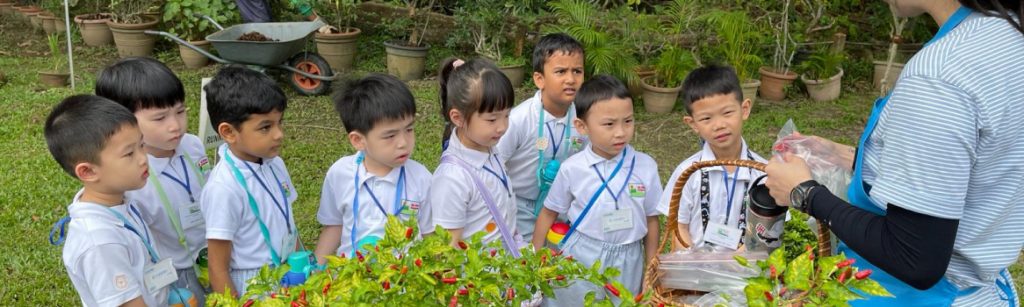
You can turn a simple stroll through the park into a thrilling “scavenger hunt” by looking for specific colours or shapes. You might ask your child to find red leaves or those shaped like stars, for example.
Games like these sharpen observational skills and encourage children to pay attention to the details of the environment. At My Little Campus, we see it during our own nature walks, with excursions to local parks designed to help children experience diverse settings.

2. Playground and Free Play Sessions
Modern Singaporean playgrounds offer places like climbing nets, sensory panels, and even trampolines. All of these challenge different muscle groups in free play.
This can boost your child’s physical agility and even build the social confidence needed to play with strangers using the same spaces. When turn-taking is required, it also lets them practise social etiquette, negotiation, and patience.
3. Water Play and Sand Play
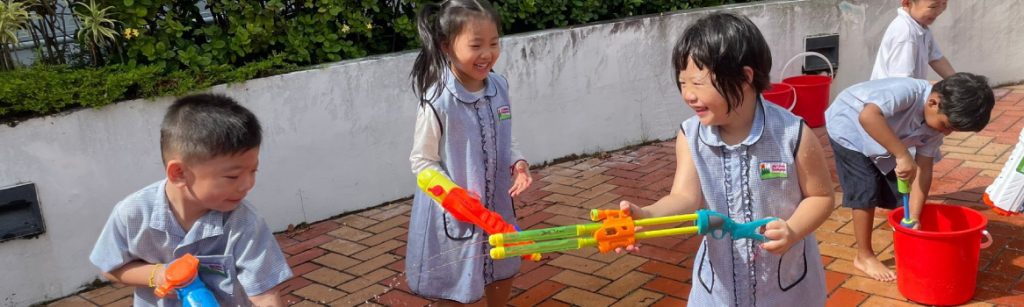
Water parks and Sentosa’s sandy beaches offer amazing activities if you want your child to experience rich sensory exploration. They can learn about volume and physics by scooping sand or pouring water, for example.
These are soothing experiences that can also help children regulate their emotions while developing fine motor skills. Some may also encourage patience, e.g. when they have to wait for buckets to fill or for sandcastles to take shape.

4. Ball Games and Simple Sports
Playing with a ball, whether kicking or catching it, helps develop hand-eye coordination and timing. You can engage in simple one-on-one sessions with your child to get it started, or even join organised team activities with other children.
Such games can teach the basics of sportsmanship and the importance of working together toward a common goal. At My Little Campus, we integrate team-based games like this into our curriculum.
We’ve found that they boost both physical prowess and the social skills required for effective teamwork. They also strengthen emotional self-regulation in the event of a team’s loss!
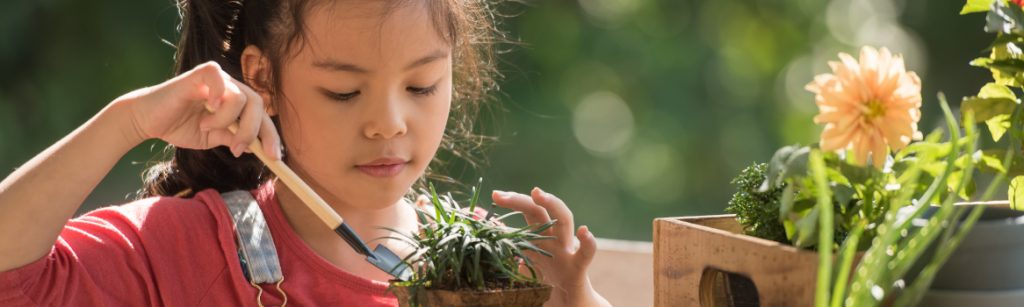
5. Gardening or Plant Care
Involving your child in caring for a small potted plant or a community garden plot can be a great way to introduce them to the outdoors. It also teaches them about the life cycles of nature.
What’s more, it introduces them to ideas like responsibility and patience. They need responsibility to remember to regularly water a plant they’re caring for. They also need patience to wait for a seedling to sprout.
Gardening can help build a sense of routine while rewarding children with a tangible sense of achievement when their plant grows. It’s a practical way to teach “cause and effect” while grounding them in a productive outdoor hobby.
Encouraging More Outdoor Play in Daily Routines
Now you know the benefits of outdoor play in early years as well as some easy ways to incorporate it into a busy schedule.
It doesn’t need to be an added burden or a rigid chore, as you see. It can even be as simple as a ten-minute walk to a nearby park or a dedicated hour at the playground on weekends!
These small and consistent habits are often more beneficial than infrequent and long trips. They build a lifestyle habit of movement and allow you to support your child’s growth with your presence and encouragement.
When you make the outdoors a regular part of your family life, you give your child the tools to handle both academic and social challenges. You provide a balanced childhood that isn’t just about academic preparation but also the freedom to get a bit messy and run under the sun.
At My Little Campus, we provide a well-rounded curriculum that covers every aspect of development, and thus includes outdoor activities and experiential learning. Our programmes are designed to ensure that every child benefits from both classroom excellence and outdoor exploration.
See our approach in action for yourself so you can learn how we support your child’s holistic growth. Book a school tour to My Little Campus today!