May 18, 2026
The Importance of Reading in Language Development: How to Develop Your Child’s Love for Reading
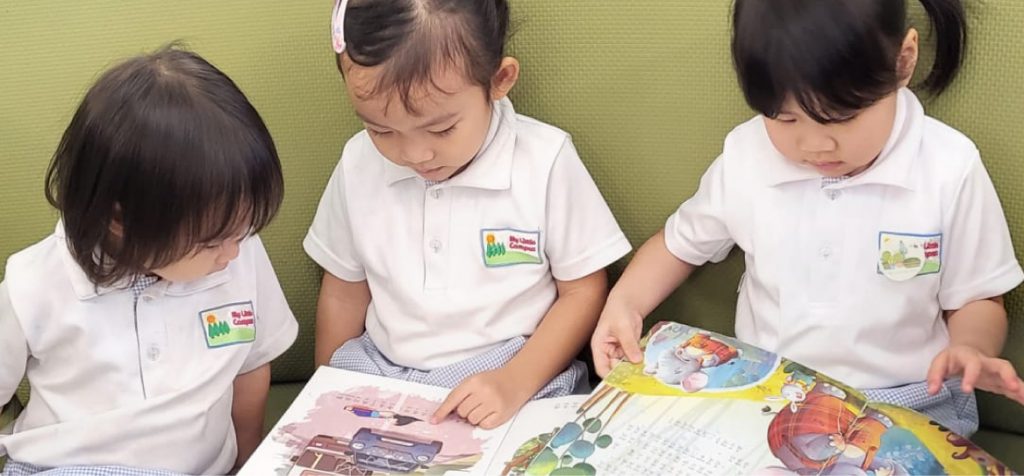
For many parents in Singapore, reading is a key part of the foundation for teaching language to toddlers. It exposes children to sounds, rhythm, and sentence structure in ways that introduce them to the complexities of communication.
This is why reading and literacy have long been part of the core educational curriculum. If you want to develop your little one’s love for reading, there are many relatively simple ways to do it. Language and literacy activities for toddlers are often easier than people think!
The Importance of Reading
Reading is a key language and literacy activity for children. It also supports other parts of their mental growth.
With reading, you have an effective high-leverage activity for building a child’s cognitive framework. When children engage with stories or text, they often build the mental muscles necessary for complex thought and emotional expression.

Natural Vocabulary Expansion
Books introduce children to different words that they may rarely encounter in everyday household conversations. Through repetition, toddlers can internalise this new vocabulary naturally and without need formal drills.
Listening and Comprehension Skills
Listening to a narrative being read aloud to them can help a child improve their comprehension skills and recognition of grammar patterns. It’s a natural way to strengthen auditory processing, or the way the brain interprets sounds.
Curiously enough, authorities at UNICEF even say these foundational comprehension skills begin developing as early as infancy. Babies can respond to the cadence of a caregiver’s voice even before they truly understand the words.
Early Literacy and Phonological Awareness
Early literacy also includes the ability to hear and manipulate the different sounds in words. Reading aloud to children can help teach them these sounds in a way that gives them a head start for their transition into formal schooling.
How to Develop Your Child’s Love for Reading

1. Create a Cosy Reading Corner and Routine
This is one of the top answers to how to teach language to toddlers. Designate an area of your home as the book corner and make it cosy and appealing.
Fill this corner with cushions and make sure it’s in a quiet spot. Use bookshelves that are your child’s height to encourage them to reach for their books themselves.
Weave reading into your daily routine as well, perhaps in a dedicated session before the afternoon nap or before bedtime. This consistency can nurture the reading habit in your children and turns reading into a relaxing reward instead of a chore.
At My Little Campus, we ourselves incorporate reading activities and routines like this into our upper preschool levels (K1 and K2). We’ve found that it helps bridge the gap between preschool and the structured expectations of Primary 1.
2. Let Your Child Take the Lead
Let your child select their own books, even if they choose the same one five nights in a row. It’s a great way to support autonomy while also helping them build confidence in predicting outcomes and learning vocabulary.
If you think they’ve chosen the same titles for too long, try swapping a few of the books out for new ones every few months. It’s an easy-enough book rotation most children will enjoy.
3. Help Bring the Stories to Life
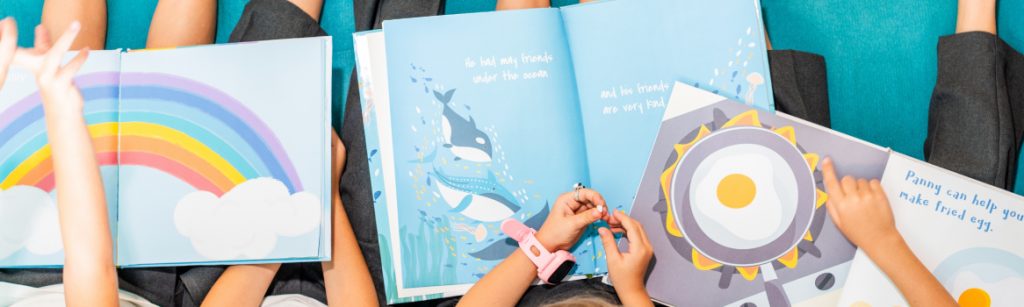
For many children, the visual elements are just as important as the written words. Pointing to illustrations helps visual learners connect the spoken word with a concrete image and strengthens new concept uptake, for example.
Take it a step further. Use household items or toys as props to act out scenes from the story. Help turn the narrative into a three-dimensional one.
We do this at My Little Campus and have seen it build early literacy and engagement. Letting children physically participate in the story, we help build a deeper emotional connection to the language they’re discovering too.
4. Read Together with Your Child
Reading with your child can do a lot to strengthen their reading abilities and interest in the story. Use your voice as a tool: vary tone, use dramatic expressions, and change your rhythm as needed.
You can also take turns. It’s a great way to build early conversational skills and an opportunity to guide them through words while reducing feelings of intimidation.
Our teachers at My Little Campus often model expressive language in group reading sessions to encourage similar confidence in our students. It makes language come alive while empowering the little ones in their self-expression.

5. Link Stories to Everyday Life
Children find the most meaning in stories that are relatable. Try drawing parallels between books’ plots and things that happened earlier in their day to support this.
For example if a character in a book visits a park, mention the park you visited with your child. This reinforcement helps them understand that the information in books is relevant and useful beyond the reading session itself.
How to Pick Out Books for a Preschooler
For preschoolers, you want to choose books that are challenging but not frustrating. Try looking for titles that:
- Are age-appropriate
- Have clear visuals
- Are in simple text
- Have engaging themes your child finds interesting
You can combine both fiction and non-fiction selections in your curation. If you want a good starter list for Singaporean children, check out our list of recommended books for preschoolers.
Start Your Child’s Lifelong Love of Reading Early
For best results, remember not to use pressure or “forced activity time” to build your child’s reading habit. Consistency, encouragement, and engagement are far better tools.
At My Little Campus, we help build children’s love of reading and language skills as early as possible. Our curriculum is designed to spark their curiosity and nurture their reading abilities from a young age.
Book a school tour to learn more about that and our activities today.