What to Do Before Enrolling Your Child in a Childcare Centre in Singapore


Are you planning to enrol your child in a childcare centre? This is a big decision, and it’s completely normal to feel a little nervous when your child is about to start somewhere new. A little preparation can help make the transition smoother and more comfortable for both you and your child. 

Here are a few practical steps that can help your child settle into a new childcare centre with confidence.

Make Sure Your Child’s Vaccinations Are Up to Date 

The first thing to do is make sure your child’s immunisation records are up to date with the vaccinations required for enrolment. Group settings involve sharing toys, close contact, and plenty of hands-on play, so keeping your child’s immunisations up to date helps protect both your child and the other children around them.

In Singapore, diphtheria and measles vaccinations are legally mandatory under the Infectious Diseases Act. Childcare centres will also require the relevant immunisation records as part of the enrolment process, and it’s worth reviewing the National Childhood Immunisation Schedule recommended by the Ministry of Health to ensure your child’s other vaccinations are up to date too. Check with your healthcare provider or your chosen childcare centre well in advance to confirm exactly what’s required, so there are no last-minute surprises. Having these records ready in advance can help the enrolment process run smoothly.

Build a Daily Routine Around the Centre’s Programme Hours

Consistency helps children feel secure, so it’s worth checking the centre’s programme hours and gradually adjusting your daily schedule in the weeks leading up to the start date. Try to align naps, meals, and playtime with the centre’s routine. This can help minimise rushed mornings for working parents, and children may adjust more easily to early childhood education when they know what to expect. 

Foster Independence in Basic Daily Skills

Encourage your child to practise simple tasks such as packing their bag, washing their hands, and feeding themselves. There’s no need to rush; praise their efforts and celebrate small successes along the way. These small skills can make the transition from home to childcare a little easier.

Introduce Socialisation and Play-Based Learning at Home
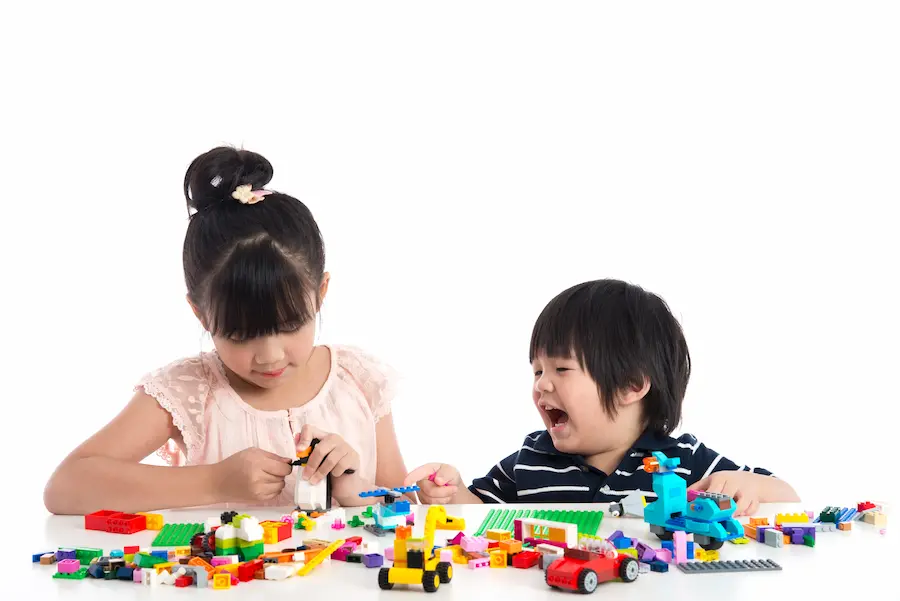
Children Playfully Building with Colorful Toy Blocks


Simple activities at home can help build your child’s social skills. Arranging playdates with other children, for example, gives them a relaxed, fun setting to practise sharing and interacting with peers. Reading together can also become a playful ritual; try adding songs or simple actions to a favourite book or story. These small, everyday moments can support early language and literacy skills without feeling like formal learning.

Visit the Childcare Centre to Familiarise Your Child

A new place can feel more familiar once your child has had a chance to explore it. Arrange to visit the centre before your child’s first day: walk around the classrooms together, point out the play areas, and, if possible, introduce your child to their teachers. Giving your child time to become familiar with their new surroundings can help ease uncertainty and support a positive start. 

Preparing for a Smooth Start

Preparing your child for a childcare centre takes a little time and patience, but it doesn’t have to be complicated. Building familiar routines, practising basic self-help skills, and familiarising your child with their new environment can all help them settle in more easily and feel more confident about what lies ahead.


Ready to Start Your Child’s Journey at the Right Childcare Centre?

At My Little Campus, we see early education as a partnership with families. We focus on fostering curiosity in a safe, nurturing environment, and we send weekly updates on what your child has been learning, with more detailed progress feedback shared monthly.

If you’re ready to take the next step, contact My Little Campus to find the right childcare option for your family, or book a tour to see a centre for yourself.
 

Separation Anxiety Strategies: What to Expect When Enrolling in a Playgroup in Singapore

Starting a playgroup can be a big step for both parents and children. As you prepare your child’s backpack and help them put on their shoes, it’s completely natural to feel a bit overwhelmed. If your little one starts to cry and cling to you at drop-off, know that you’re not alone.

If you’re searching for a playgroup near you in Singapore and feeling worried about handling the first drop-off, take a breath first. What you might experience is completely normal and something most parents face.

Is Separation Anxiety Common in Singapore Playgroups?

According to Singapore’s Families for Life parenting resource, separation anxiety often begins around nine months of age and tends to peak between 14 and 18 months. It can also arise when young children start childcare or preschool, making it a common consideration as they adjust to new environments, such as a playgroup.  

For a toddler, walking into a new classroom is a big change. New faces, unfamiliar sounds, and an unfamiliar routine are a lot to take in all at once. In a playgroup setting, children are also learning to share toys, follow their teacher’s instructions, and settle into a routine built around play-based learning. Crying at this stage is often simply your child’s way of saying, “This is new, and I miss you.”

Understanding this can help you stay calm during drop-off. If your child shows separation anxiety, it doesn’t mean they aren’t ready for playgroup — in fact, it’s often a sign of the close bond you’ve built together.

Practical Ways to Ease Separation Anxiety in Your Child’s First Playgroup

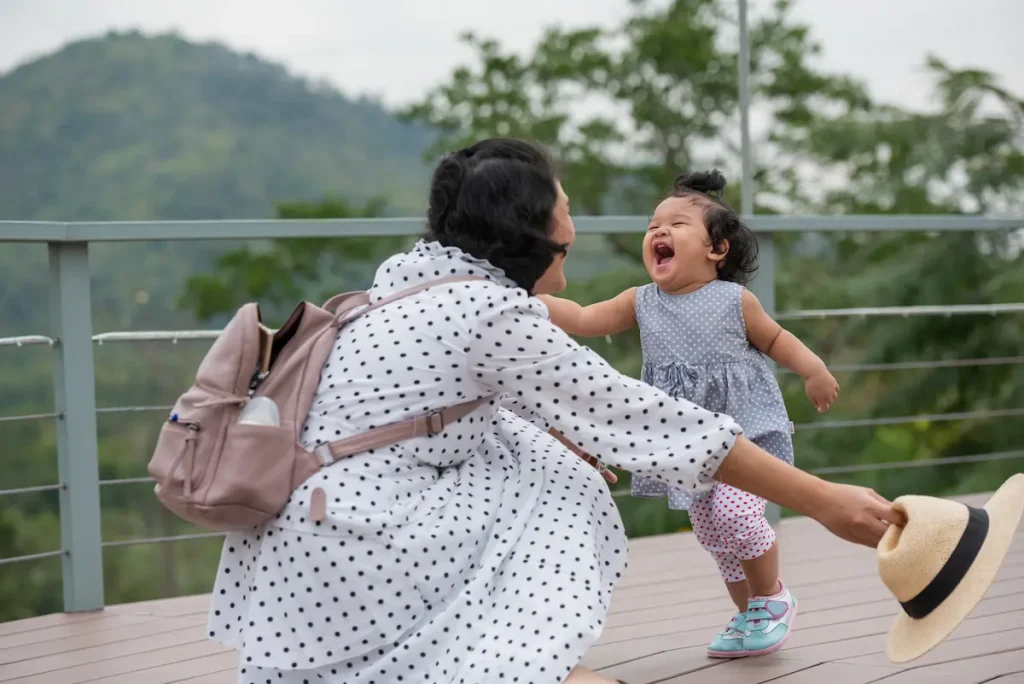
A happy kid running to her mom

The good news is that this settling-in period usually eases with time and the right approach. Here are four practical ways to help your child adjust to a playgroup.

1. Build Familiarity Through Short Separations and Play-Based Routines

Children tend to feel more secure with predictable routines, which support their overall development. In the weeks before your child’s first day, talk about the new routine in a positive, matter-of-fact way, and consider reading picture books together about starting school.

At home, try short separations: leave your child with someone familiar for 15 to 20 minutes, then follow through consistently. This helps your child learn that goodbyes are always followed by hellos. A play-based learning environment at the centre builds on this same idea, helping children see that new places lead to new discoveries rather than something to fear.

2. Keep Goodbyes Short, Warm, and Consistent

Long goodbyes tend to make separation harder, not easier, so it helps to keep your drop-off routine short and predictable. A hug, a high-five, a smile, and a warm goodbye are usually enough. You can let them know a pick-up time too, like “I’ll pick you up at 5pm later”, to reduce uncertainty and fear, giving them a reference point for predictability and trust.

Try not to slip away without saying goodbye, even if it feels easier in the moment, as this can affect your child’s sense of trust over time. At the same time, avoid lingering once you’ve said your goodbyes. Children often take their emotional cues from their parents, so staying calm and matter-of-fact can help your child feel more settled, too.

3. Help Your Child Connect With Their New Teacher

It helps if your child sees their teacher as a familiar, trustworthy adult early on. On the first day, introduce your child to their educator and let them see you two talking together.

My Little Campus keeps parents informed with weekly updates on how their child is settling in, so you’re not left wondering how the first few days are going. 

4. Let Structured Play and Sensory Activities Do the Rest

Once goodbyes are done, a good playgroup environment takes over quickly. Teachers typically expose toddlers to sensory play, using blocks, puzzles, and other hands-on materials to help refocus their attention while supporting fine and gross motor development.

Circle time and group singing are also commonly used to build social interaction skills in a natural, low-pressure way. At My Little Campus, play-based activities give children opportunities to explore, communicate, and build confidence through hands-on experiences. Through music, movement, and play, children can gradually become more comfortable in the new environment and shift their attention from goodbyes to the day’s activities and routines.

Building Confidence Beyond the First Drop-Off

Separation anxiety is usually a temporary stage, but how you and your child move through it can significantly impact their emotional development. With a predictable routine, patience, and warm reassurance, most children settle into a confident daily rhythm within a few weeks.

My Little Campus has centres in Bedok Reservoir, Pasir Ris, Sembawang, and Yishun, each supporting new starters through this settling-in period with weekly updates and regular parent-teacher communication.

If you’re looking for a playgroup near you, check out our centre locations to find the one closest to you, or book a tour to see the environment for yourself and speak with our team about your child’s first day.