January 19, 2026
Building Bilingualism: Why Early Language Exposure Makes a Difference

Bilingualism is a valuable skill for children – especially in Singapore, where English and Chinese are used everywhere, from schools to workplaces.
Many parents wonder how to introduce Chinese to their children early and whether it’s worth the effort. The good news? Early exposure can make learning a second language easier, more natural, and even enjoyable for your child!
In this article, we’ll explore the benefits of learning Chinese alongside English in early childhood, common challenges parents notice, and how our curriculum in My Little Campus supports bilingual learning.
Why Learning Chinese Matters in Early Childhood
Early childhood is the most effective period for language exposure, and thus for building bilingualism. At this stage, a child’s brain is highly receptive to new concepts, making it easier for them to pick up new words, sounds, and sentence structures.
This receptiveness goes beyond an advantage in guided learning. Research suggests that this may make them better at implicit language learning than adults. By introducing Chinese early, your child can build a strong foundation without feeling stressed or pressured.
It’s also practical, as children will have to take Chinese as a formal subject in primary school. Early exposure to the language helps your child feel confident and ready when the time comes.
Benefits of Learning Chinese as a Second Language

1. Cognitive Benefits
Learning Mandarin early can support various areas of cognitive development.
For example, it supports enhanced cognitive flexibility. Switching between English and Chinese strengthens the brain’s executive functions. This helps children adapt and learn how to shift between languages, modes, and concepts more easily.
It also encourages critical thinking, like recognising patterns in characters or tones.
Early language exposure can also help develop better memory and attention. Remembering characters, tones, and vocabulary boosts working memory, which allows bilingual children to strengthen attention control and focus over time.
Furthermore, early bilingualism can help create a stronger long-term cognitive reserve. Managing two languages builds mental resilience and may even delay cognitive decline in adulthood.
2. Social and Cultural Benefits
Bilingualism also has advantages for social and cultural development. For example, bilingual children may have greater cultural awareness.
This could be achieved through exposure to Chinese festivals, traditions, and stories. It can help children better integrate into multicultural societies like Singapore’s – and may also build empathy and open-mindedness early on.
Bilingualism can also lead to stronger communication skills. Chinese lets children communicate with a wider range of peers, teachers, and community members.
This may offer more opportunities for deeper family and community connections. For example, it helps children interact with older relatives or caregivers who converse only in Chinese.
This may strengthen their connection to the culture and their appreciation of the language’s origins too.
3. Long-Term Impact of Early Bilingualism
Being fluent in Chinese also has benefits for children that reach long into the future, whether for their future academics or careers.
For example, it can lead to improved academic performance as children are better prepared to take on Chinese as a formal subject in primary school. Early exposure to the language can result in higher language proficiency due to more natural pronunciation, clearer tones, and stronger grammar foundations.
Being bilingual can also mean your child gains access to more job roles in business, education, diplomacy, technology or media in the future if they require individuals to speak both English and Chinese effectively.

Common Challenges Parents Notice
If you’ve decided to encourage your child to learn Chinese early, here are some common challenges parents and teachers notice when they first start:
- Language avoidance
This is very normal in English-dominant homes or environments. It may feel more natural and safer for children to respond in English first. - Limited vocabulary
This happens when language exposure is inconsistent or limited to only school hours, so children take a longer time to build up their vocabulary in Chinese. - Mixing Chinese and English in the same sentence
This is a natural part of bilingual development, as children’s brains are still organising sentence structures and vocabulary. - Diffculty recognising Chinese characters
Characters involve complex strokes and patterns. It’s perfectly normal to take time to build familiarity with them. - Parental uncertainty or lack of confidence in Chinese
Some parents feel unsure about how to guide their children with learning Chinese, especially if they’re not comfortable or fluent with the language themselves! Remember, you can still support your child’s learning through simple routines, tools, and encouragement.
If you run into these challenges, remember: they’re normal. The key is to persist with language learning through exposure, repetition, and a positive learning environment.
You can also try some of the tips we’ve provided in our previous article on how to raise a bilingual child.
How MLC Supports Chinese Learning
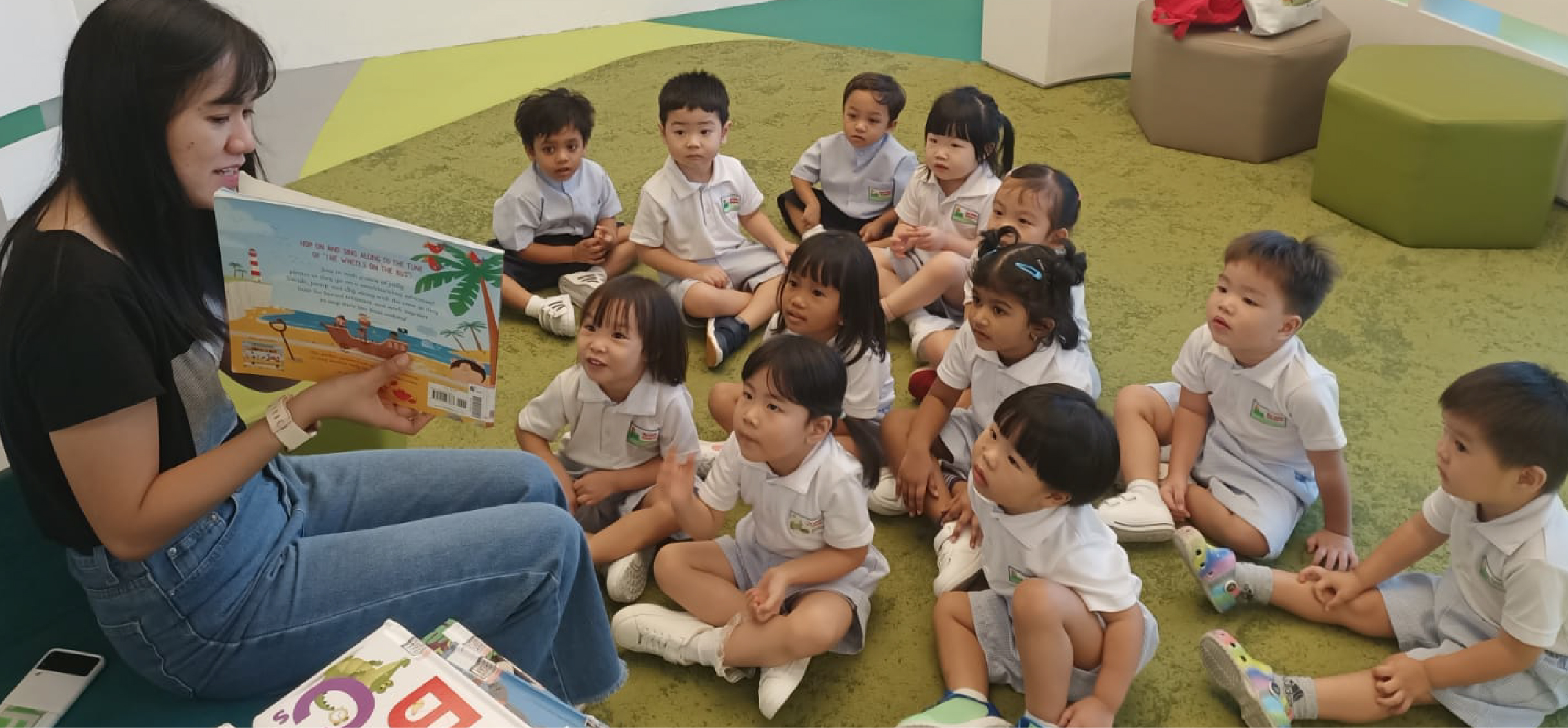
At My Little Campus, bilingual learning is woven into daily routines so children feel naturally comfortable in both languages.
Our teachers use a balanced approach of structured lessons and hands-on learning activities to help children feel supported, confident, and interested as they learn the language.
The environment is also designed to make Chinese approachable even when children don’t use the language at home. We focus on building solid foundations in careful, structured steps.

Begin Building Your Child’s Chinese Language Skills Today
Learning Chinese in early childhood sets the foundation for lifelong communication skills, cultural appreciation, and cognitive benefits.
Every child will develop these language skills at their own pace, so remember to embrace your child’s learning journey with positivity, patience, and curiosity!
If you want to learn more about how we effectively nurture bilingualism at My Little Campus, reach out to us. We’ll share more about our curriculum and activities, or even show them to you during a school tour.