
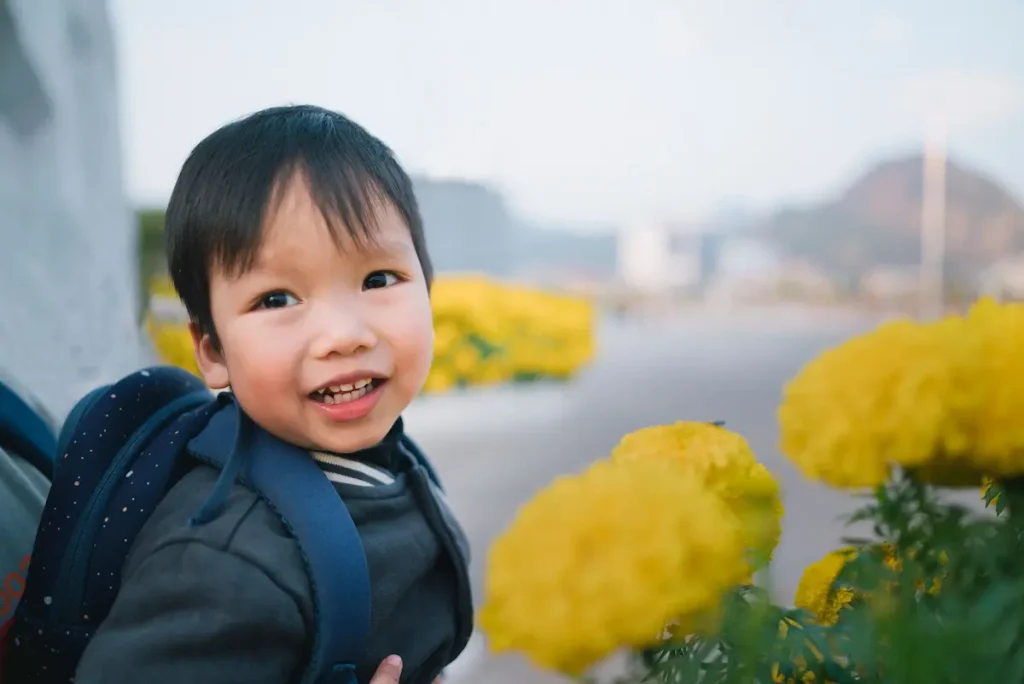
Starting a playgroup can be a big step for both parents and children. As you prepare your child’s backpack and help them put on their shoes, it’s completely natural to feel a bit overwhelmed. If your little one starts to cry and cling to you at drop-off, know that you’re not alone.
If you’re searching for a playgroup near you in Singapore and feeling worried about handling the first drop-off, take a breath first. What you might experience is completely normal and something most parents face.
Is Separation Anxiety Common in Singapore Playgroups?
According to Singapore’s Families for Life parenting resource, separation anxiety often begins around nine months of age and tends to peak between 14 and 18 months. It can also arise when young children start childcare or preschool, making it a common consideration as they adjust to new environments, such as a playgroup.
For a toddler, walking into a new classroom is a big change. New faces, unfamiliar sounds, and an unfamiliar routine are a lot to take in all at once. In a playgroup setting, children are also learning to share toys, follow their teacher’s instructions, and settle into a routine built around play-based learning. Crying at this stage is often simply your child’s way of saying, “This is new, and I miss you.”
Understanding this can help you stay calm during drop-off. If your child shows separation anxiety, it doesn’t mean they aren’t ready for playgroup — in fact, it’s often a sign of the close bond you’ve built together.
Practical Ways to Ease Separation Anxiety in Your Child’s First Playgroup
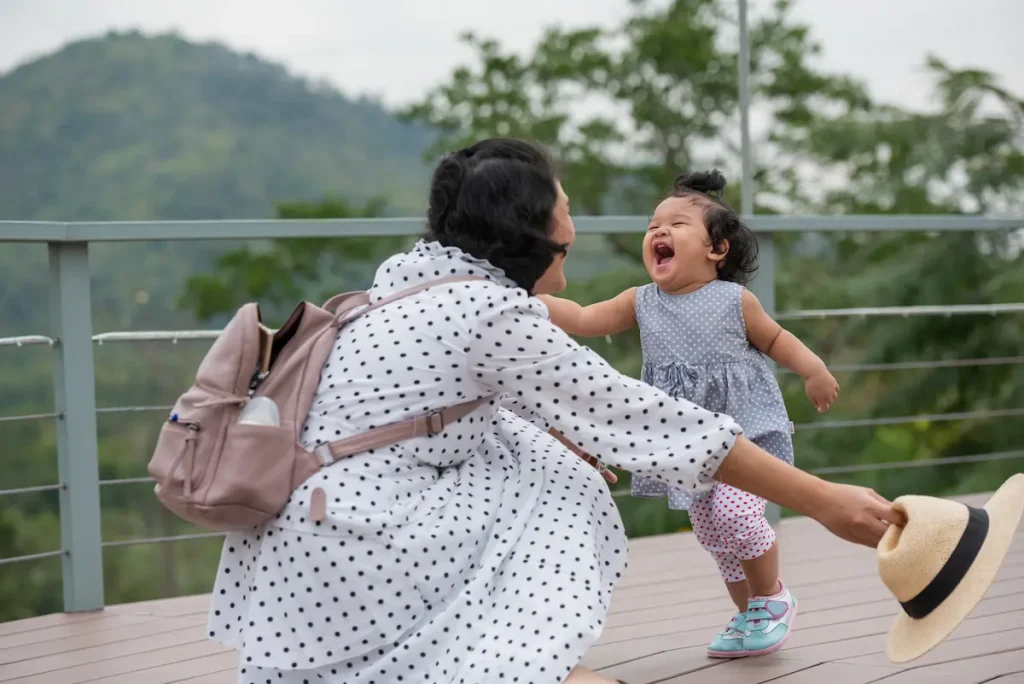
The good news is that this settling-in period usually eases with time and the right approach. Here are four practical ways to help your child adjust to a playgroup.
1. Build Familiarity Through Short Separations and Play-Based Routines
Children tend to feel more secure with predictable routines, which support their overall development. In the weeks before your child’s first day, talk about the new routine in a positive, matter-of-fact way, and consider reading picture books together about starting school.
At home, try short separations: leave your child with someone familiar for 15 to 20 minutes, then follow through consistently. This helps your child learn that goodbyes are always followed by hellos. A play-based learning environment at the centre builds on this same idea, helping children see that new places lead to new discoveries rather than something to fear.
2. Keep Goodbyes Short, Warm, and Consistent
Long goodbyes tend to make separation harder, not easier, so it helps to keep your drop-off routine short and predictable. A hug, a high-five, a smile, and a warm goodbye are usually enough. You can let them know a pick-up time too, like “I’ll pick you up at 5pm later”, to reduce uncertainty and fear, giving them a reference point for predictability and trust.
Try not to slip away without saying goodbye, even if it feels easier in the moment, as this can affect your child’s sense of trust over time. At the same time, avoid lingering once you’ve said your goodbyes. Children often take their emotional cues from their parents, so staying calm and matter-of-fact can help your child feel more settled, too.
3. Help Your Child Connect With Their New Teacher
It helps if your child sees their teacher as a familiar, trustworthy adult early on. On the first day, introduce your child to their educator and let them see you two talking together.
My Little Campus keeps parents informed with weekly updates on how their child is settling in, so you’re not left wondering how the first few days are going.
4. Let Structured Play and Sensory Activities Do the Rest
Once goodbyes are done, a good playgroup environment takes over quickly. Teachers typically expose toddlers to sensory play, using blocks, puzzles, and other hands-on materials to help refocus their attention while supporting fine and gross motor development.
Circle time and group singing are also commonly used to build social interaction skills in a natural, low-pressure way. At My Little Campus, play-based activities give children opportunities to explore, communicate, and build confidence through hands-on experiences. Through music, movement, and play, children can gradually become more comfortable in the new environment and shift their attention from goodbyes to the day’s activities and routines.
Building Confidence Beyond the First Drop-Off
Separation anxiety is usually a temporary stage, but how you and your child move through it can significantly impact their emotional development. With a predictable routine, patience, and warm reassurance, most children settle into a confident daily rhythm within a few weeks.
My Little Campus has centres in Bedok Reservoir, Pasir Ris, Sembawang, and Yishun, each supporting new starters through this settling-in period with weekly updates and regular parent-teacher communication.
If you’re looking for a playgroup near you, check out our centre locations to find the one closest to you, or book a tour to see the environment for yourself and speak with our team about your child’s first day.